SOFF progress and achievements
Closing the weather and climate data gap brings significant socio-economic benefits.
GLOBAL BENEFITS FROM BETTER DATA
SOFF will close significant climate and weather data gaps in most data sparse regions. Achieving this, the capacity to forecast extreme weather events and predict changing climate will significantly improve. Better data leads to more effective climate action and adaptation strategies.
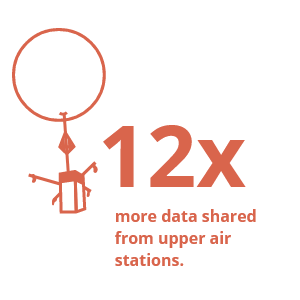
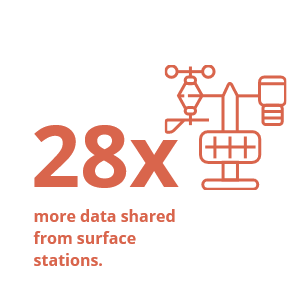
SOFF IMPLEMENTATION DELIVERS SOCIO-ECONOMIC BENEFITS
It is estimated that filling the weather and climate data gaps in the countries with the largest capacity constraints will deliver USD 5 billion per year of annual socio-economic benefits.
Weather and climate observations are essential to fully realize the USD 162 billion of estimated minimum annual socio-economic benefits of weather and climate prediction from improved disaster management and optimized production.
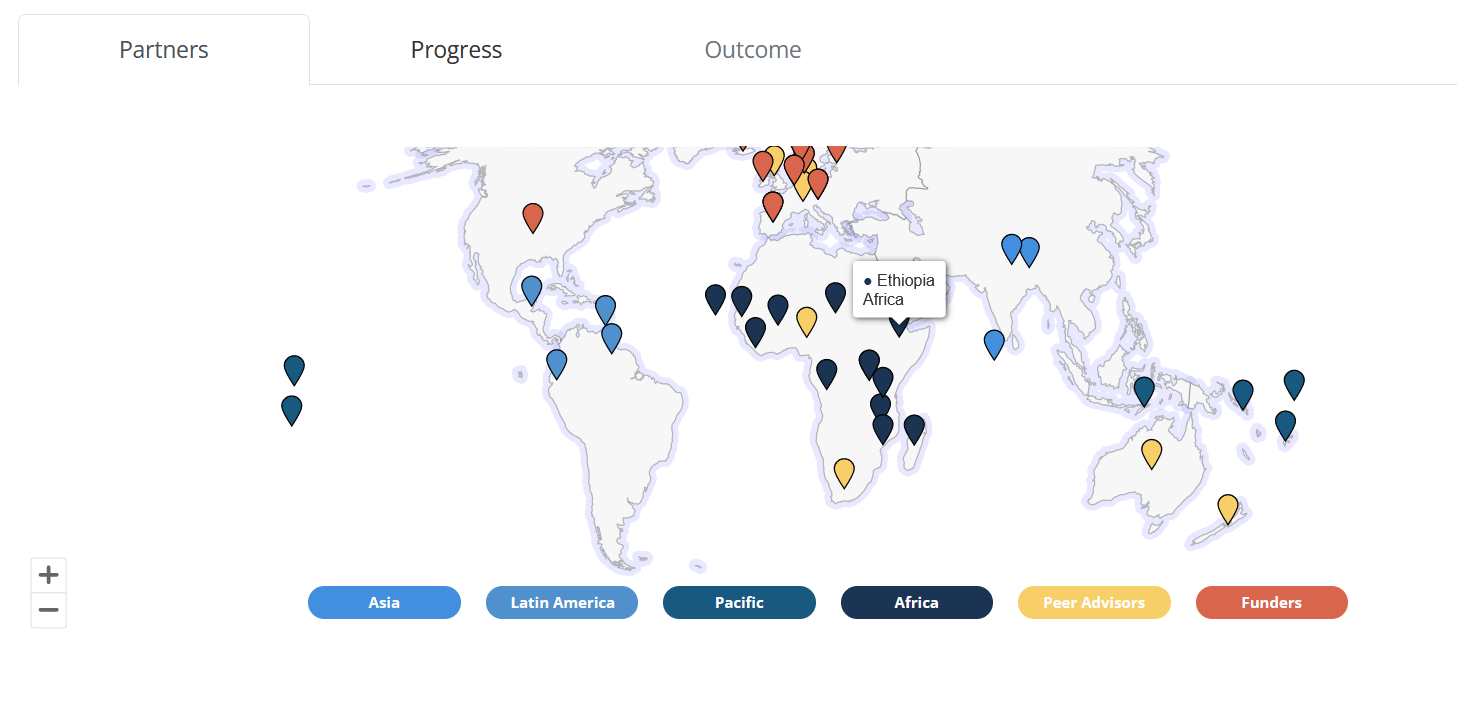
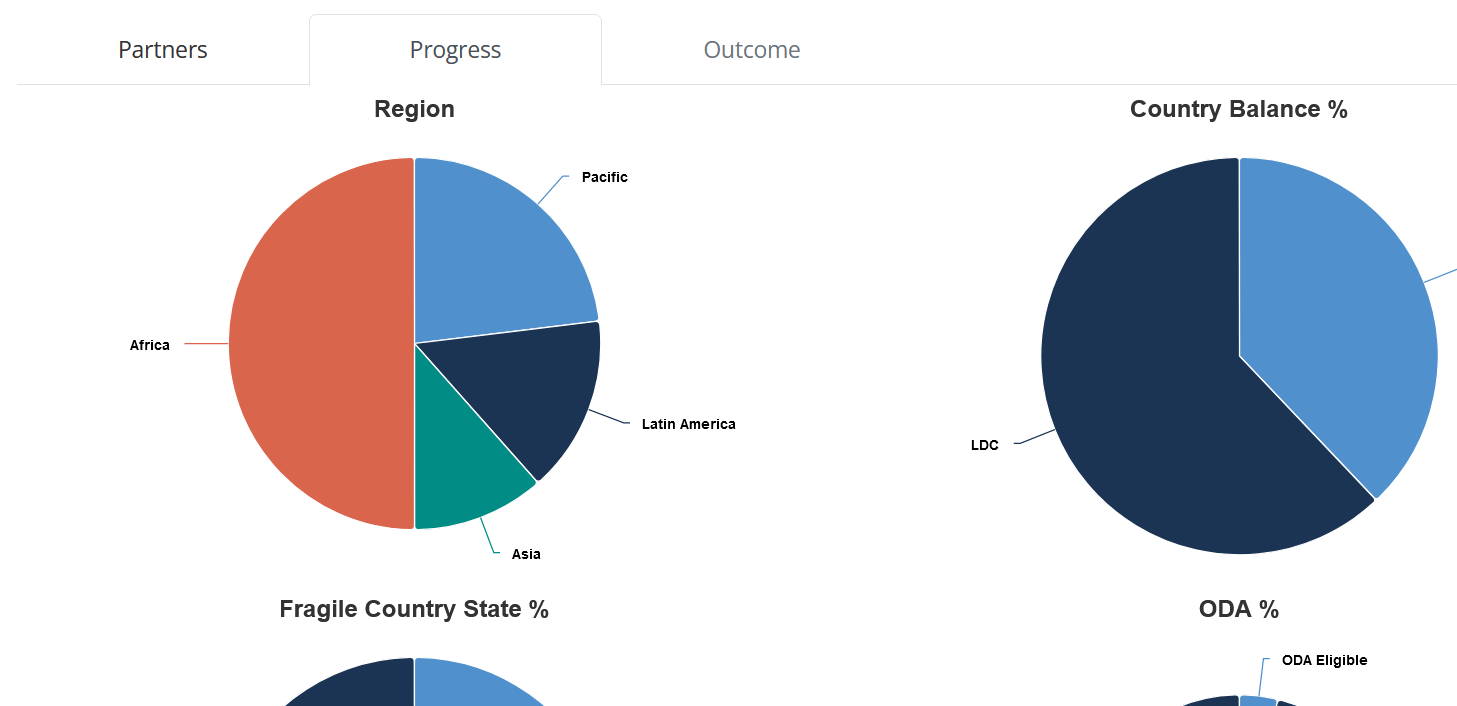
SOFF Dashboard
SOFF GENDER ACTION PLAN
The SOFF Gender Action Plan sets targets for the first implementation period.
Investment and Compliance Phase targets, as well as processes not yet started by SOFF, are not listed, but can be viewed in the Gender Action Plan.
55% female representation in the SOFF Secretariat.
50% female representation in the SOFF Steering Committee.*
46% female representation in the SOFF Advisory Board.*
*Based on nominations by the Steering Committee or Advisory Board members.


